
Top Plumbing and Electrical Troubleshooting Tips for Bathroom Remodels


Understanding Plumbing Basics
When embarking on a bathroom remodel, it's crucial to have a basic understanding of your home's plumbing system. This knowledge can help you identify potential issues and communicate effectively with professionals. Start by locating the main water shut-off valve and understanding how to turn it off in case of emergencies.
Identifying Common Plumbing Issues
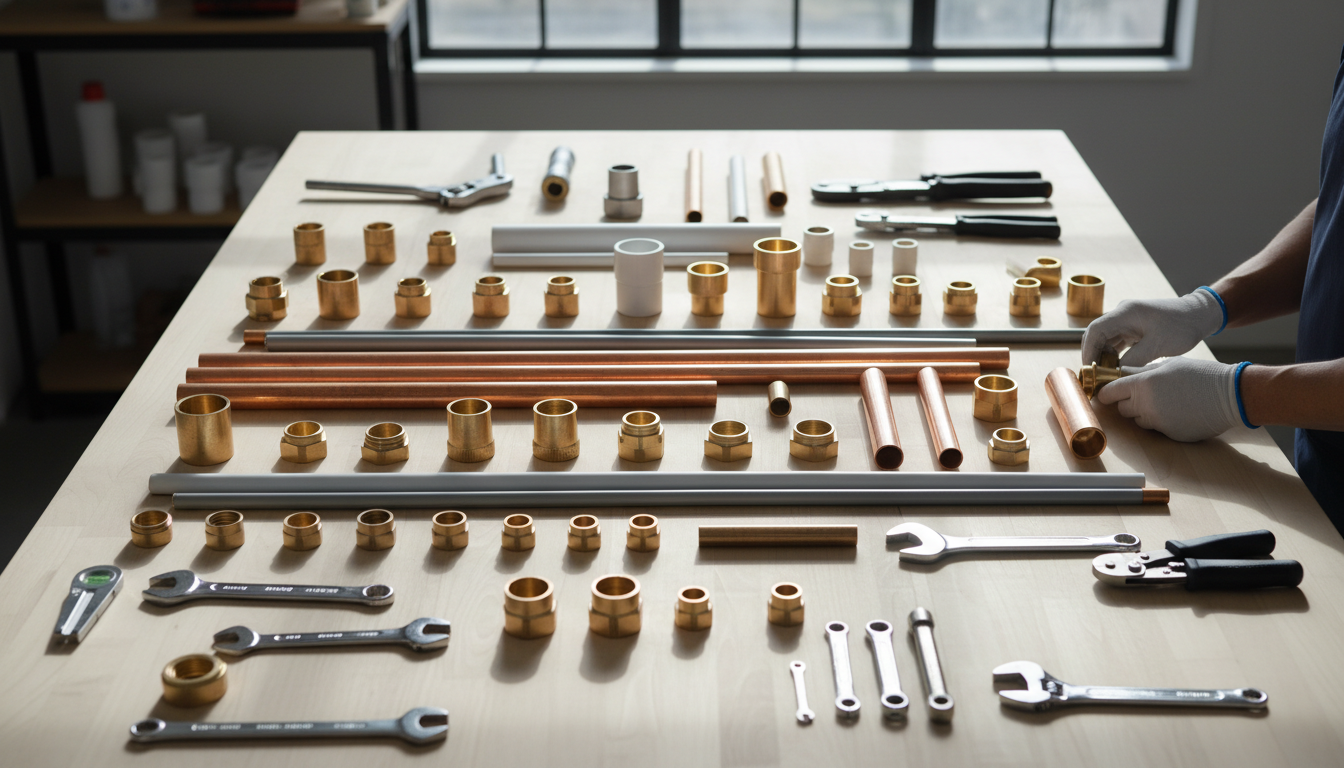
Some common plumbing problems during a remodel include leaks, clogs, and low water pressure. To troubleshoot leaks, check all visible pipes and fittings for any signs of water damage or moisture. For clogs, consider using a drain snake or a natural solution like baking soda and vinegar before calling a plumber.
Electrical Considerations in Bathrooms
Bathrooms require special attention when it comes to electrical work due to the presence of water. Ensuring that all electrical outlets are GFCI (Ground Fault Circuit Interrupter) protected is essential for safety. This feature helps prevent electrical shock in areas prone to moisture.
Upgrading Light Fixtures
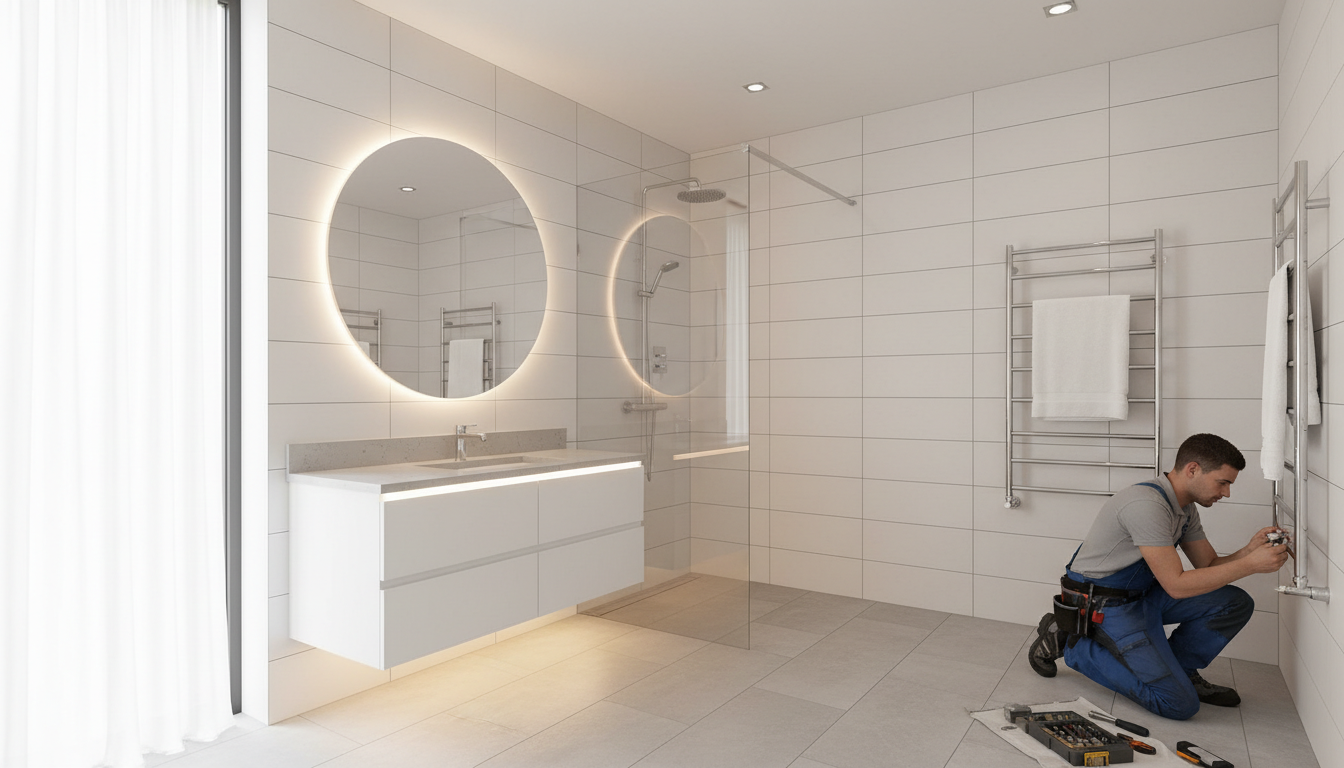
Upgrading your bathroom lighting can significantly enhance its appearance and functionality. When selecting new fixtures, consider energy-efficient options like LED lights. Ensure that all installations follow local building codes and guidelines for bathroom safety.
Effective Troubleshooting Techniques
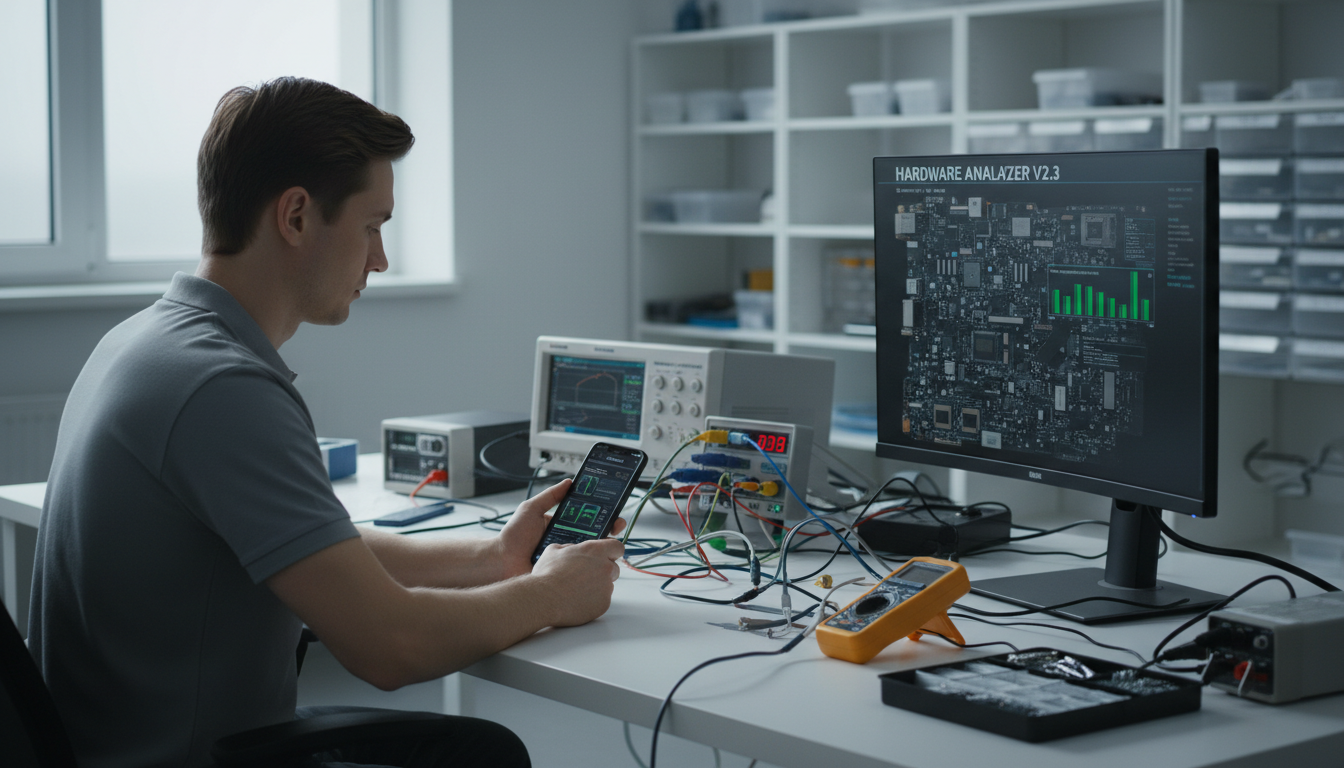
When faced with plumbing or electrical issues, it's important to remain calm and methodical. Start by isolating the problem to a specific area. For plumbing, check individual components like faucets or showerheads. For electrical issues, test one fixture at a time to identify the source of the problem.
When to Call a Professional
While many issues can be resolved with basic troubleshooting, some situations require professional intervention. If you encounter persistent leaks, major electrical faults, or any issue beyond your expertise, it’s best to consult a licensed plumber or electrician. This ensures safety and prevents further damage.
Preventive Measures for Future Issues
To minimize future problems, consider routine maintenance and inspections. Regularly check for signs of wear and tear in plumbing and electrical systems. Keep drains clear by avoiding the disposal of unsuitable materials and periodically test GFCI outlets to ensure they function correctly.
Final Thoughts on Bathroom Remodels
Remodeling your bathroom can be a rewarding experience, but it comes with its challenges. By understanding the basics of plumbing and electrical systems and knowing when to seek professional help, you can ensure a smooth and successful renovation process.